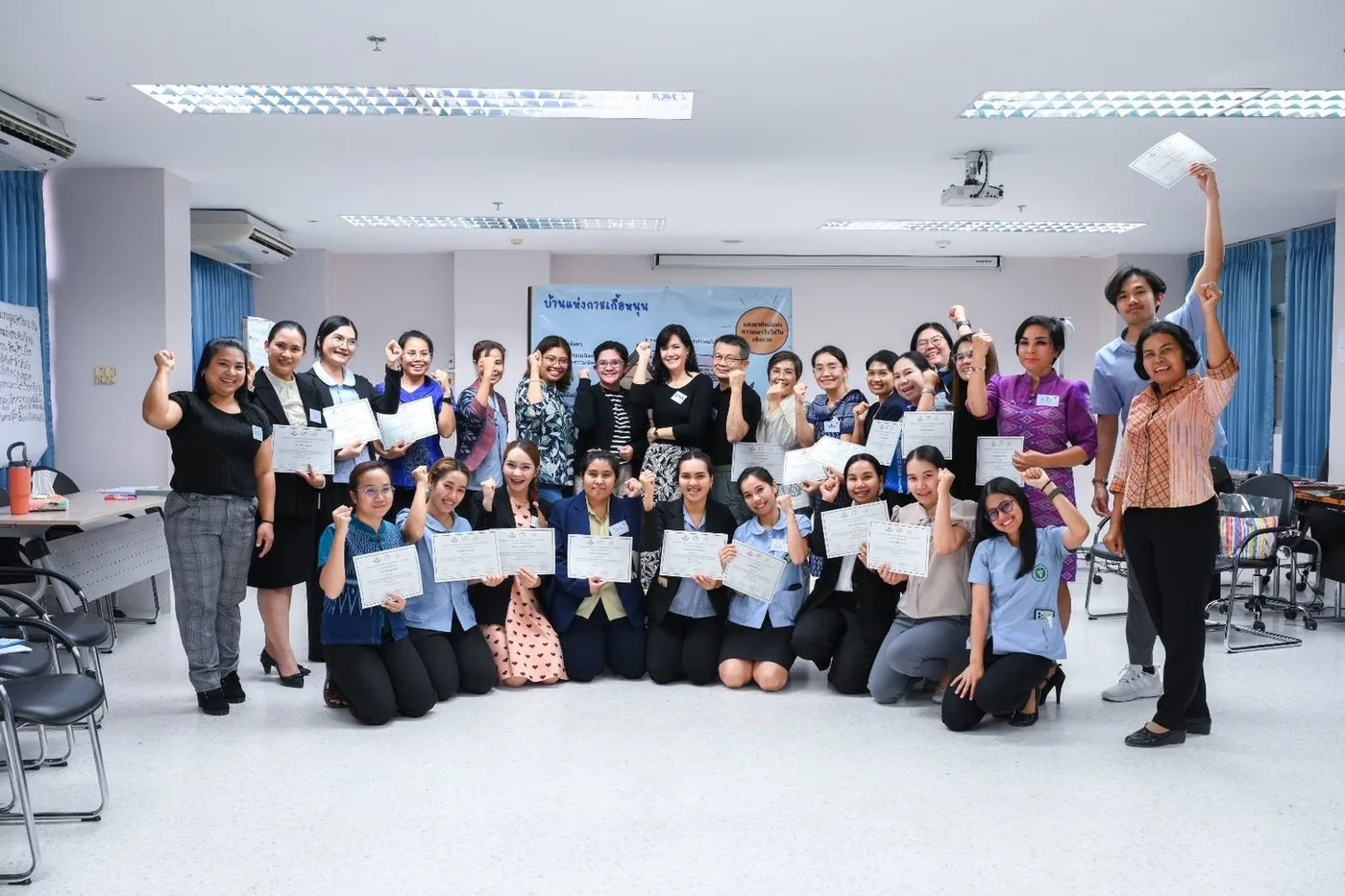
Parenting for Lifelong Health
Practical, warm support for caregivers who want stronger relationships with children, better supervision and discipline without violence.
Every parent wants the best for their child. Parenting for Lifelong Health gives families simple, proven tools to guide behaviour with warmth and structure — so discipline never has to mean fear or physical punishment.
Reducing violence through practical parenting support
PLH in Thailand focuses on reducing physical, emotional and sexual violence against children by helping caregivers build parenting skills that can be used at home.
The work strengthens parent-child relationships, increases positive parenting, reduces violent discipline, and improves child monitoring and supervision in online and offline environments.
Warmth first
Building a strong, affectionate bond is the foundation everything else rests on.
Calm structure
Clear, consistent routines and limits help children feel safe and behave well.
No physical punishment
Managing difficult moments without hitting — using attention, praise and calm consequences.
Better supervision
Keeping children safer with calm monitoring, listening and guidance in both online and offline spaces.
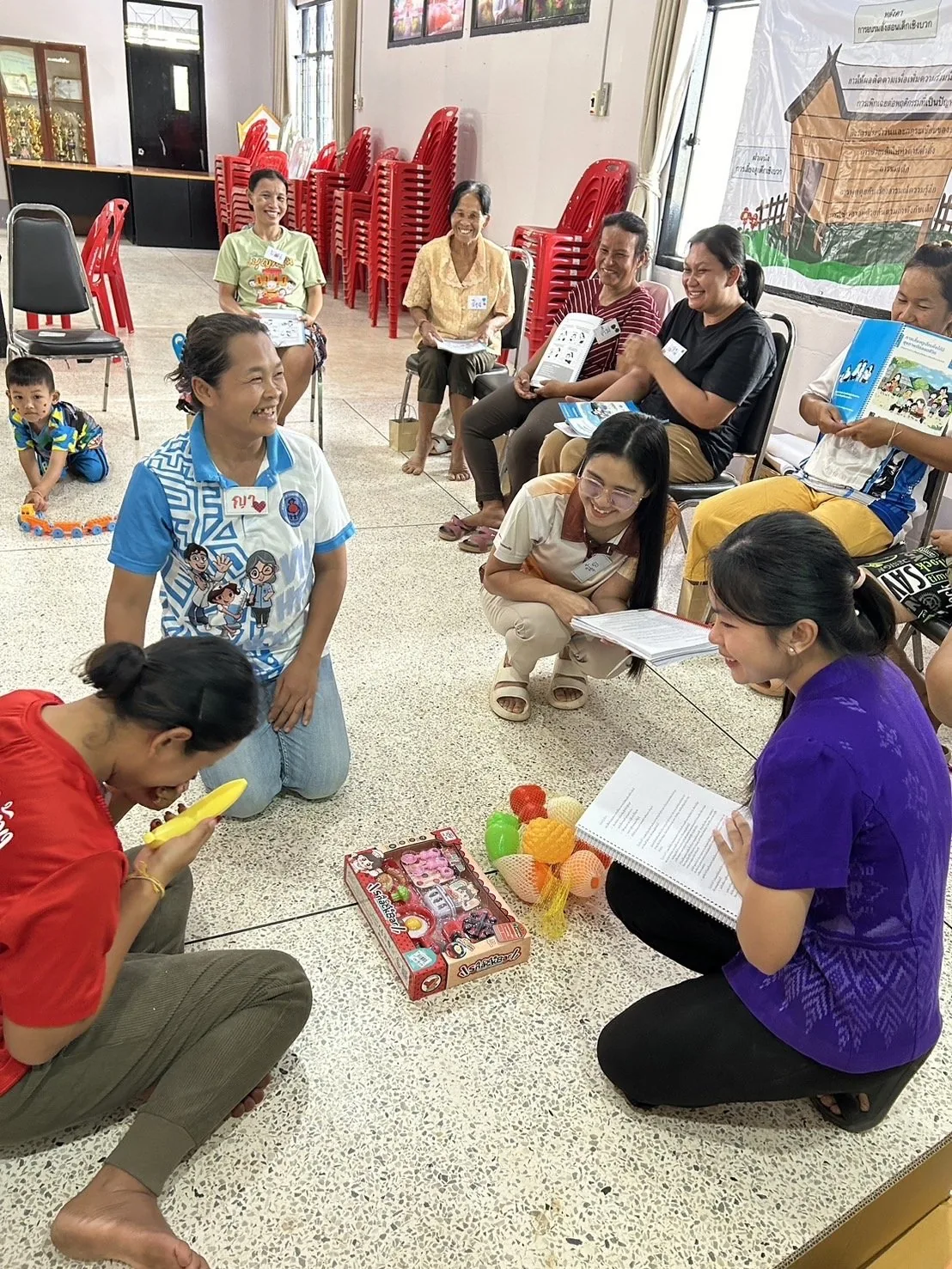
Learning together, not lectured at
PLH sessions are friendly and practical. Parents meet in small groups, share real situations from home, and practise new skills through simple role-play and play with their children.
- Small, supportive groups led by trained facilitators
- Skills you can use the same day at home
- A welcoming space for every kind of family
For parents and carers of all kinds
Parenting for Lifelong Health is designed to be useful for any caregiver — parents, grandparents, foster carers and guardians — raising children at any age. It is part of a wider, internationally recognised approach to non-violent parenting.
We run sessions with community groups and schools, and we are always glad to talk with families who would like support. There is no shame in asking for help; it is one of the strongest things a parent can do.